
Stop Borrowing Methods. Start Understanding Principles.
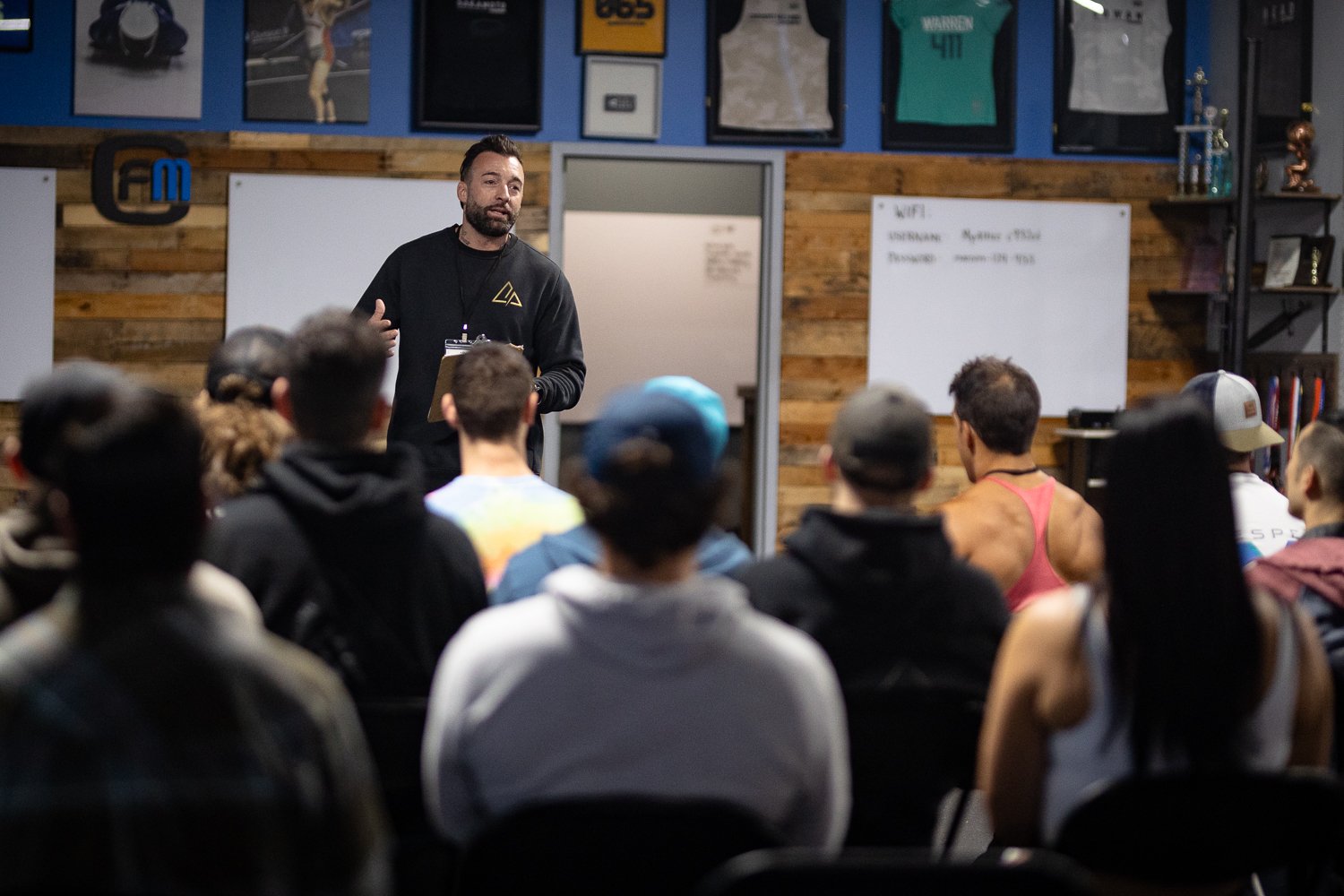
Written by Conquer Athlete Coach Jason Leydon, CSCS
There is no shortage of coaching education today. Coaches have access to more courses, certifications, seminars, mentorships, podcasts, social media pages, and programming examples than ever before. That access can be incredibly valuable, but it can also create a problem. A lot of coaching education ends up teaching you someone else’s way of doing things. You learn their exercises, their progressions, their weekly structure, their conditioning model, and their system. In other words, you learn their “how.”
There is value in understanding how successful coaches operate. The limitation comes when that becomes the entire education. If all you know is someone else’s method, then your success as a coach depends on that method continuing to fit the athlete in front of you. Eventually, it will not. Athletes plateau. Their schedules change. Their recovery changes. Injuries happen. Competition demands shift. What worked six months ago may no longer create the same response today. When that happens, the coach who only knows the method often starts searching for another method.
That is one of the biggest reasons we built the Conquer Coaching Mentorship differently. We are not interested in simply giving coaches our programming system and asking them to repeat it. We want coaches to understand why certain decisions are made in the first place. We want them to understand the principles that sit underneath training so they can build their own solutions instead of constantly borrowing someone else’s.
A method is simply an application of a principle. A strength progression, conditioning interval, gymnastics progression, or exercise sequence can all work very well, but they only work within a certain context. If you understand the principle behind the method, you can adjust the method when the context changes. If you do not, you are left with a template that may or may not fit the athlete you are coaching.
This is where coaching becomes much more than writing workouts. The real job of the coach is to understand what adaptation is needed, what is currently limiting progress, what dose of training is appropriate, and what the athlete can actually recover from. From there, the coach has to decide how to create that adaptation. That is a very different thought process than simply asking, “What workout should I give them today?”
Inside the Conquer Coaching Mentorship, we spend time on the principles that should guide those decisions. We look at adaptation, progressive overload, specificity, fatigue management, exercise selection, individual differences, phase potentiation, interference, volume, intensity, readiness, recovery, and progression. These are not concepts that only apply to one style of training or one population. They are principles that can travel across sports, demographics, training ages, and goals.
That matters because the athlete in front of you will always force you to think. No two athletes respond exactly the same way. Even the same athlete will not respond the same way forever. Their training age changes. Their capacity changes. Their stress changes. Their weaknesses change. Their ability to tolerate and recover from training changes. A good coach recognizes that. A great coach knows how to adjust the plan because they understand why the original plan worked in the first place.
That ability to pivot is one of the most important skills a coach can develop. The best program you write will eventually need to change, and that does not mean the program failed. It means adaptation occurred. The athlete moved. The target moved with them. Coaching is the process of recognizing that change and deciding what should happen next.
This is why we believe principles are more valuable than methods. Methods can become outdated, overused, or inappropriate for a particular situation. Principles give you a framework for solving problems. They allow you to ask better questions, make better decisions, and understand when to stay the course and when to change direction.
The amount of information available to coaches today can sometimes create the illusion that collecting more exercises, programs, or protocols will make someone a better coach. Information certainly helps, but information without understanding has limitations. You can save hundreds of workouts and follow dozens of coaches online, but if you do not understand why those workouts were written, who they were written for, and what adaptation they were designed to create, you are still dependent on someone else’s thinking.
The goal of the Conquer Coaching Mentorship is to change that. We want coaches to leave with more than a notebook full of programming ideas. We want them to leave with a stronger framework for making decisions. We want them to understand training deeply enough that when something does not go according to plan, they do not panic or immediately search for another template. They can assess what is happening, identify the problem, and build the next step themselves.
Ultimately, we are not trying to teach you our “how.” We are trying to teach you the “why” deeply enough that you can create your own “how.”
Because the real measure of a coach is not how well they can repeat someone else’s system. It is how well they can think, adapt, and continue creating progress when there is no template telling them exactly what to do.
That is the type of coach we want to develop through the Conquer Coaching Coach Development Program.
Ready to take your coaching to the next level? Check out the Conquer Athlete Coach Development Program. We’ll coach you through principle-driven programming, athlete assessment, KPI selection, and real-world problem solving—so your methods are yours, and they work. The next cohort starts in July.