
Principles Build Confidence, Methods Just Fill the Page
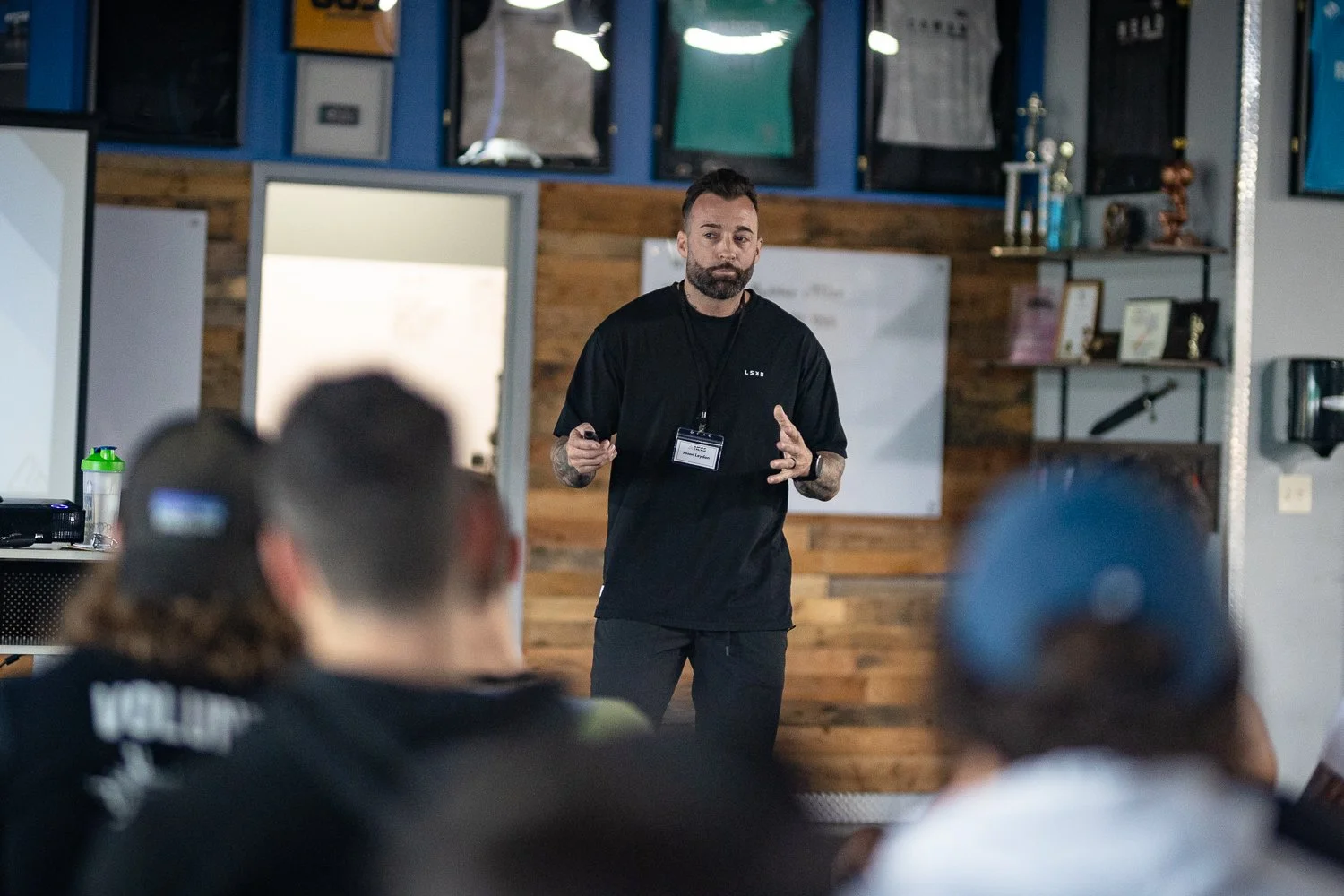
Written by Conquer Athlete Coach Jason Leydon, CSCS
A lot of coaches lack confidence in their programming not because they do not care, but because they rely too heavily on methods before they truly understand principles.
They chase templates.
They borrow training blocks.
They plug athletes into systems that looked good on Instagram or worked for someone else.
And on the surface, it can look like programming.
But writing a sound program is not about how many methods you know. It is about how well you understand the why behind what you are doing.
That is where real confidence comes from.
Confidence in coaching is not built from having a giant library of workouts, sets, reps, tempos, and interval formats. It is built from understanding the foundational principles that drive adaptation in the first place. Things like overload, fatigue management, specificity, progression, recovery, individuality, and timing. Those are the things that give structure to your decision making.
Methods matter, but methods are just tools.
Tempo work is a method. Cluster sets are a method. Threshold intervals are a method. Eccentrics, deloads, EMOMs, conjugate work, aerobic base work — all methods.
But principles tell you when to use them, why to use them, and who they are right for.
That is a massive difference.
Because when you understand principles, you stop writing programs based on what looks smart and start writing programs based on what actually makes sense for the athlete in front of you.
That is the job.
Good programming is not about impressing people. It is about meeting the athlete where they are and giving them the right dose at the right time.
That means understanding their current training age.
Their injury history.
Their lifestyle.
Their schedule.
Their recovery ability.
Their strengths.
Their weak points.
Their sport demands.
Their level of buy-in.
A sound program respects all of it.
Too many coaches write programs for the athlete they wish they had instead of the athlete standing in front of them. That is where mistakes happen. You end up prescribing volume they cannot recover from, intensity they cannot express, and complexity they have not earned.
Then when it does not work, the coach loses confidence.
But the issue was never that they needed more methods.
The issue was that they skipped the principles.
When you understand principles, you can adjust with confidence.
You know when to push.
You know when to pull back.
You know when to build tissue tolerance.
You know when to prioritize output.
You know when to focus on skill acquisition.
You know when to stop adding and start simplifying.
That is what mature coaching looks like.
Real confidence in programming also comes from accepting that good coaching is not about perfection. It is about making informed decisions, watching the response, and adjusting accordingly. The best coaches are not the ones who get everything perfect on paper. They are the ones who can observe, interpret, and refine.
Programming is a living process.
The athlete gives you feedback every week whether they realize it or not. Their performance, their recovery, their mood, their movement quality, their consistency, their pace, their ability to repeat effort — all of it is information. Coaches who understand principles can actually use that information well.
That is why principle-driven coaching scales.
It allows you to coach beginners, intermediate athletes, elite competitors, and general population clients with the same underlying framework — while changing the application based on the person.
That is the key.
The method may change.
The athlete may change.
The season may change.
But the principles stay.
And when you truly understand them, your confidence grows because you are no longer guessing. You are making decisions from a framework. You are not hoping the plan works. You understand why it should work, what could go wrong, and how to adjust if needed.
That is what we believe in at Conquer Athlete.
We do not just want coaches to collect methods.
We want them to build an operating system.
Because once you understand principles first, methods stop being random. They become intentional. Your programming becomes cleaner. Your coaching becomes sharper. And your athletes get better results because the plan actually fits them.
That is what sound programming is.
Not flashy.
Not random.
Not copied.
Thoughtful.
Targeted.
Principle-driven.
And built around the human in front of you.
If you want to become a more confident coach, stop asking, “What method should I use?”
Start asking, “What does this athlete need right now, and what principle should guide that decision?”
That is where better programming starts.
And that is where real confidence is built.
Join the Conquer Athlete Mentorship. We’ll coach you through principle-driven programming, athlete assessment, KPI selection, and real-world problem solving—so your methods are yours, and they work.